EPC C by 2030: What Landlords Need to Know
The EPC C deadline is now set for 1 October 2030 and it applies to every rented home, not just new tenancies. Costs are capped, exemptions exist, and the Warm Homes Plan is pushing a “fabric first” approach. Here’s what it means and how to stay ahead of it.
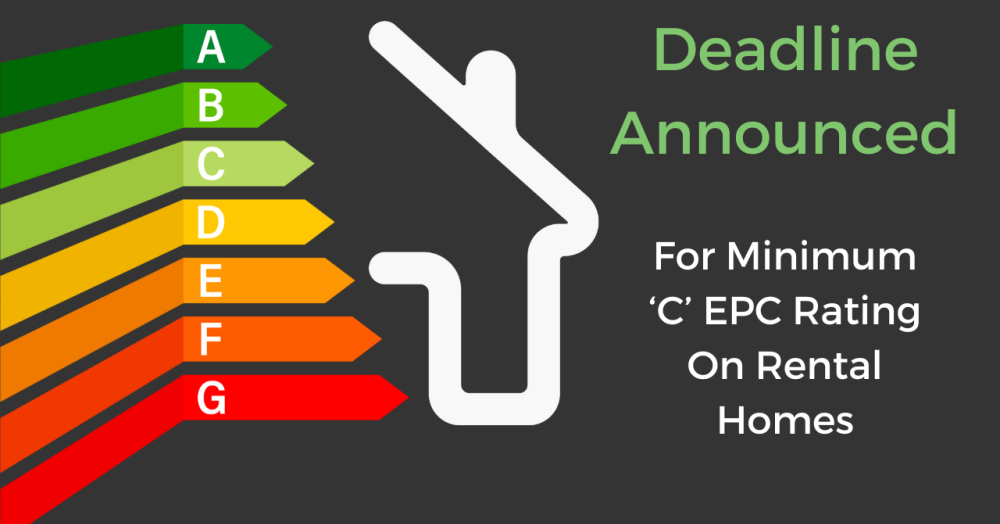
The Government has now confirmed a clear deadline for energy efficiency in the private rented sector: by 1 October 2030, landlords will need to ensure their rental properties meet at least EPC C, or have a valid exemption registered.
Importantly, this applies to all rented homes, whether you are starting a new tenancy or you have a long-term tenant already in place.
This sits under the Government’s wider Warm Homes Plan, which is being positioned as a major national push to make homes warmer, cheaper to heat, and to reduce fuel poverty.
The key message from Government is a “fabric first” approach. In plain English, they want the focus to be on the basics that stop heat escaping in the first place, such as insulation upgrades and better windows, rather than jumping straight to expensive tech. That makes sense on paper, because reducing heat loss is usually the quickest route to improved comfort and lower running costs.
One big change, and one landlords will actually care about, is that earlier proposals suggesting landlords might have to spend up to £15,000 per property have been watered down. The cap has been reduced to £10,000, and there will be lower caps for low-value homes, broadly where £10,000 would be a disproportionate chunk of the property’s value. Any qualifying energy efficiency improvements carried out from October 2025 will count towards that cap, so landlords who act early are not being penalised for it.
The other major shift is the Government has scrapped the earlier 2028 deadline that was previously being discussed for new tenancies. Instead, everything is aligned to the single 2030 date, which at least gives the market one clear target to work towards.
There are also a few practical points worth noting:
If a landlord spends up to the cap and the property still cannot reach the required standard, the plan allows for an exemption route, rather than an impossible target.
The Warm Homes Plan also talks about improving access to finance, including low-interest loan options, which is relevant because many landlords will prefer predictable monthly payments over a big upfront hit.
The direction of travel is still obvious: Government wants a rental market where tenants can expect homes that are genuinely warm and affordable to run, not just “legally lettable”.
The National Residential Landlords Association (NRLA) has welcomed the revisions, largely because the earlier versions were seen as unrealistic on both cost and timing. The new approach is still demanding, but it is at least closer to something that can be delivered in practice.
For landlords, the takeaway is simple: 2030 sounds far away, but it isn’t when you factor in surveyors, trades, availability, planning constraints, and the fact that some homes will need more than a quick loft insulation job. The sensible move is to start with an EPC review now, build a staged upgrade plan, and avoid leaving it until the last minute when costs and contractor demand are likely to spike.
Get an EPC action plan:
Not sure where your property stands? Get in touch and we’ll help you ensure your property remains compliant.